
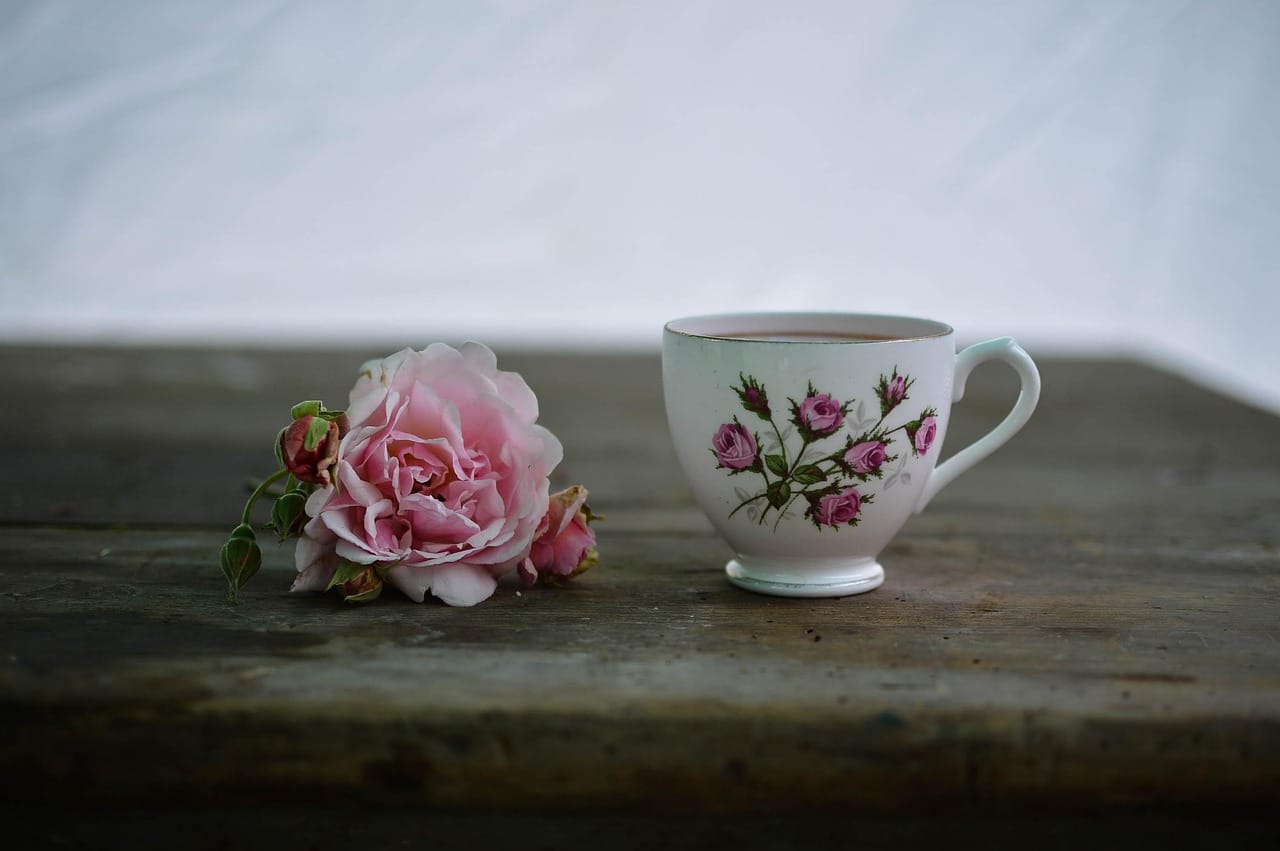

There is a particular kind of joy that arrives quietly in your 40s and 50s — not from achieving something or keeping up with anyone, but from simply being present in something you actually enjoy.
Quiet hobbies do not demand performance or productivity. They do not require an audience or a result. They just allow you to be somewhere, doing something, without pressure.
Reading for Pleasure
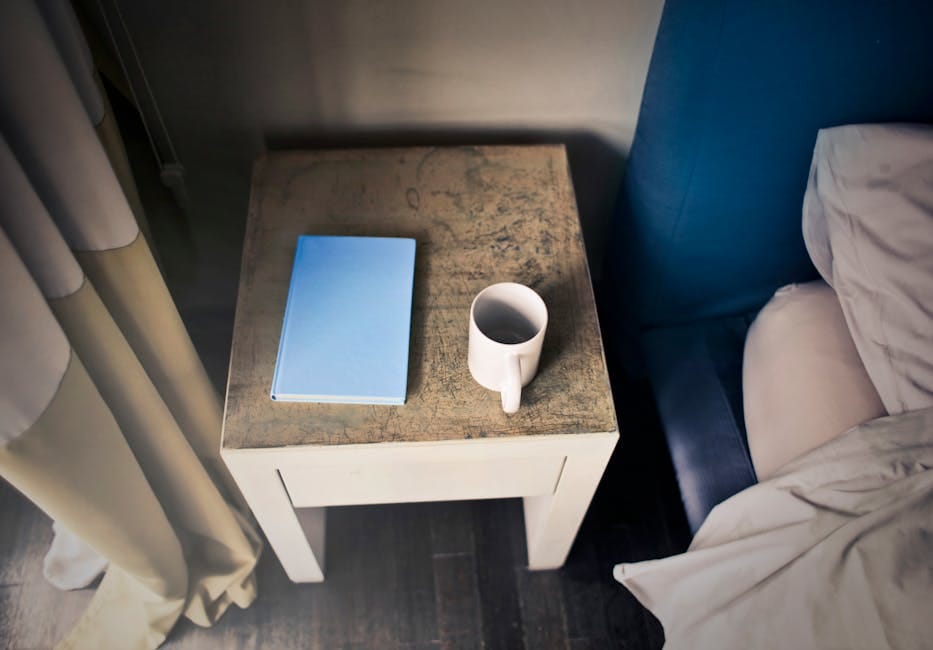
Not for self-improvement. Not to finish a reading challenge or keep up with what everyone else is discussing. Just reading because something pulls you in.
Fiction, memoirs, poetry, essays — whatever genuinely interests you. Reading for pleasure calms the nervous system, improves sleep quality, and gives your mind somewhere to rest that isn’t a screen.
Walking Without Goals
No step targets. No pace pressure. No fitness tracker telling you whether your walk counted or not.
Walking outdoors — even slowly, even briefly — supports mood, joint health, and mental clarity in ways that are hard to replicate indoors. It is also one of the gentlest forms of movement for women navigating perimenopause, when high-intensity exercise can sometimes do more harm than good.
Journaling Without Rules

There is no correct way to journal. Write your thoughts, make lists, record memories, work through something that has been sitting heavy, or write nothing coherent at all.
Journaling helps process emotions, reduce mental clutter, and create a small quiet space in your day that belongs entirely to you. Even five minutes counts.
Cooking Simple Meals
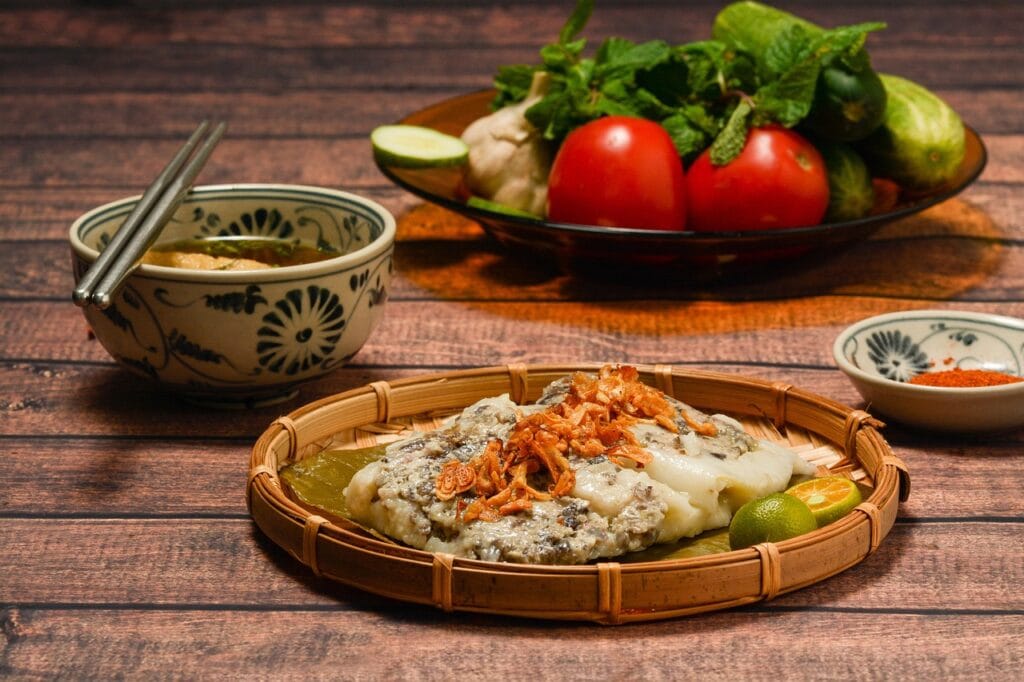
Cooking without urgency — without the pressure of impressing anyone or following a complicated recipe — becomes something surprisingly grounding in your 40s and 50s.
Returning to favorite recipes, repeating the meals that always work, taking your time in the kitchen — these things create comfort and quiet confidence. There is something deeply satisfying about knowing exactly what you are doing and doing it well.
Handcrafts and Creative Work
Knitting, sewing, drawing, watercolor, embroidery, pottery — working with your hands does something for the mind that thinking alone cannot.
Handcrafts reduce anxiety, improve focus, and give you something tangible to show for your time. In a world where most of what we do disappears into screens, making something physical feels quietly revolutionary.
Gardening or Plant Care
Caring for plants — whether a full garden, a small balcony, or a single windowsill — brings a gentle routine and a kind of quiet satisfaction that is hard to find elsewhere.
Plants grow slowly. They ask for consistency rather than intensity. They reward attention without demanding it. In many ways, tending to plants is a practice in exactly the kind of presence that makes midlife feel more grounded.
Listening to Music or Podcasts

Listening without multitasking is rarer than it sounds — and more restorative than most people expect.
Put something on and just listen. Not while cooking, not while scrolling, not while doing three other things. Just sitting with sound that soothes rather than stimulates.
Why Quiet Hobbies Matter More in Midlife
Quiet hobbies restore energy instead of draining it. They create joy without performance, without comparison, and without the pressure to do them perfectly or consistently enough.

In your 40s and 50s — especially during perimenopause when your nervous system is already working hard — this kind of low-demand joy does something that busier hobbies cannot. It gives back more than it takes.
The hobbies that last into midlife and beyond are almost always the quiet ones. The ones that ask very little and return quite a lot.
Frequently Asked Questions
What are good hobbies for women in their 40s and 50s?
Quiet, low-pressure hobbies tend to bring the most sustained joy in midlife — reading for pleasure, walking without goals, journaling, gardening, handcrafts like knitting or watercolor, and cooking simple meals all support both mental and physical wellbeing.
Why are quiet hobbies good during perimenopause?
Perimenopause puts extra demand on the nervous system. Quiet hobbies lower cortisol, reduce anxiety, and restore energy without adding more stimulation or pressure. They support hormone balance in a gentle, sustainable way.
How do I find a hobby I actually enjoy in my 40s?
Start with what you were drawn to before life got busy. Read the book you kept putting off. Take a walk with no destination. Buy a small plant. Quiet hobbies rarely announce themselves loudly — they just feel easy to return to.
Is gardening good for mental health in midlife?
Yes — caring for plants has been shown to reduce stress, improve mood, and create a sense of routine and purpose. Even small-scale plant care on a windowsill or balcony brings real benefit.
Can simple hobbies really improve wellbeing in your 40s?
Absolutely. The simplest hobbies — walking, reading, journaling, cooking — are often the most restorative because they ask little and return a lot. In midlife, sustainable joy usually comes from simplicity rather than complexity.
If slow living resonates with you, you might also enjoy reading about [slow living habits that actually help during perimenopause— many of these hobbies overlap beautifully with what actually supports your hormones and nervous system during this phase.*
And if you are building a gentler daily rhythm around these kinds of activities, start here: